மிகச்சிறந்த உணவக ஆலர்ஜன் இணக்கமானப் பதிவேடு
சட்டத்தை அறிவது முதல் படி. உண்மையில் உங்கள் சமையலறை, உங்கள் பணியாளர் மற்றும் விருந்தினர் எதிர்நோக்கும் மெனு முழுமையாக இணங்கியிருக்கிறதா என்பது வேறு விஷயம். இந்த பட்டியல் பொருட்கள் எப்படி சேமிக்கப்படுகின்றன என்பதிலிருந்து விருந்தினர் தங்களின் கைபேசியில் உங்கள் மெனுவை எவ்வாறு ஃபில்டர் செய்வார்கள் என்பதுவரை ஆலர்ஜன் மேலாண்மையின் ஒவ்வொரு அடுக்கையும் வழிநடத்துகிறது.
உங்கள் நாட்டில் சட்டம் என்ன தேவைப்படுகின்றது தெரியவில்லையா? எங்கள் வழிகாட்டியுடன் தொடங்குங்கள்: how-to-comply-with-allergen-labeling-laws-restaurant.
பருவம் 1: சரக்குப் பட்டியல் மற்றும் விற்பனை மூலம் பெறுதல்
-
தொழில்நுட்ப தரவு தாள்கள் — சாஸ், குடை, மசாலா, சட்டனை போன்ற உங்கள் மூச்சார்ந்த அனைத்து பாண்ட் செய்யப்பட்ட தயாரிப்புகளுக்கும் அதிகாரப்பூர்வ பொருள் விவரக்குறிப்பு உங்களிடம் உள்ளதா?
-
வசதியாளர் audit — கடந்த 6 மாதங்களில் உங்கள் வழங்குநர்களிடமிருந்து புதுப்பிக்கப்பட்ட ஆலர்ஜன் அறிக்கைகளை கோரியுள்ளீர்களா? சூத்திரங்கள் மாறுகின்றன; உங்கள் தரவு அதனை பிரதிபலிக்க வேண்டும்.
-
மறைமுக ஆலர்ஜன்கள் — இரண்டாம் நிலை பொருட்களைப்பார்க்கின்றீர்களா? (உதா., சாஸ் கொரக்காக உபயோகிக்கப்படும் மாவு, சில காய்கறி எண்ணெய்களில் உள்ள சோயா, மார்ஜரினில் உள்ள பால் உறிஞ்சிகள்)
பருவம் 2: சமையலறை நடைமுறை மற்றும் சேமிப்பு
-
வண்ணக் குறியிடப்பட்ட சேமிப்பு — அதிக ஆபத்து வாய்ந்த பொருட்கள் சீலிடப்பட்ட, தெளிவாக லேபிள் செய்யப்பட்ட கணிணிகளில் பாதுகாக்கப்பட்டு, பாதுகாப்பான மாற்றுகளிலிருந்து பிரிக்கப்பட்டு உள்ளனவா?
-
ஓரிச்ச்-சிதைந்தல் வரைபடி — அ CYP (note: ensure translation) Does not apply — fix:
-
Does your kitchen have dedicated zones or tools for free-from preparation? (e.g., a separate toaster for gluten-free bread, dedicated utensils) — Shared fryer policy
If you use a shared fryer, is it clearly stated on the menu that fried items may contain traces from other allergens?
-
Phase 3: Staff Training — Know the major allergens
-
Can your kitchen and floor staff name the mandatory allergens in your region — without looking them up? — Response protocol
-
Does your team know exactly what to do when a guest mentions an allergy? (e.g., notify the chef immediately and direct the guest to the digital allergen filter) — Critical error awareness
Does the team understand that "picking the nuts off the top" of a finished dish is both a legal and safety violation — contamination has already occurred?
-
Phase 4: Guest Communication — Clear signage
-
Is there a visible sign at the entrance or on the table stating: "Please inform our staff of any allergies before ordering"? — Digital accessibility
-
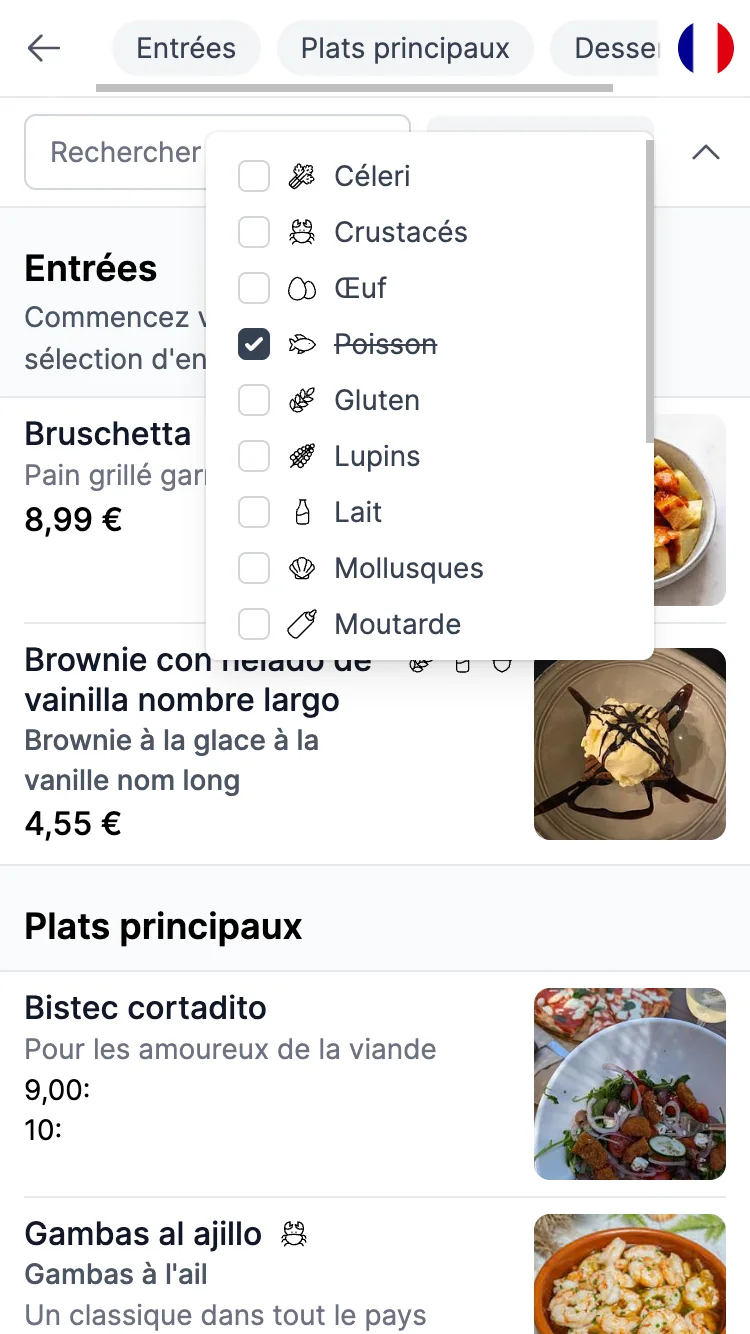
Is your allergen information accessible via QR code? This is the most reliable method — the data is always live and updated. — Interactive filters
-
Does your menu allow guests to hide dishes containing specific allergens automatically, without having to ask staff? — Multilingual information
If you serve tourists or international guests, is your allergen data available in their language to eliminate translation errors?
-
Phase 5: Verification & Ongoing Review — Recipe change protocol
-
Every time a recipe changes — even a minor ingredient swap — is the digital menu updated immediately before service? — Incident log
மேலே கூறிய அனைத்திற்கும் தனியார் நிகழ்வுகள் விதிவிலக்கு. திருமணம் அல்லது விருந்தின்போது, ஒவ்வொரு விருந்தினரின் அலர்ஜிகளை நாட்களுக்கு முன்பே தெரிந்து கொள்ள வேண்டும்; மேஜையில் அல்ல. அதனால் அவை பொதுவாக அழைப்பிதழுக்கான பதிலுடன் சேர்த்தே சேகரிக்கப்படும்: QRinvites.
Do you keep a record of allergen-related near-misses or guest complaints to identify gaps and improve your processes over time?
Phase 4 is the easiest one to get right.
TopFood's digital menu automates guest communication entirely — interactive filters, live allergen data, multilingual support. Set it up once, and it handles itself.